Cinnamon is one of the world’s most popular spices—but not all cinnamon is the same. Most consumers don’t realize that there are two main types: Ceylon Cinnamon and Cassia Cinnamon. While they may look similar on supermarket shelves, their flavor, aroma, health benefits, price, and safety levels differ drastically.
As a trusted Sri Lankan exporter, Tropical Essence Global specializes in pure Ceylon Cinnamon—the finest and most authentic cinnamon in the world. Here’s everything buyers need to know before choosing the right type.
1. Origin & Botanical Differences
Ceylon Cinnamon (Cinnamomum verum)
- Also known as “True Cinnamon”
- Grown primarily in Sri Lanka
- Considered the highest grade of cinnamon globally
Cassia Cinnamon (Cinnamomum cassia)
- Mostly grown in Indonesia, China, and Vietnam
- Represents the majority of cinnamon found in supermarkets
- Stronger, cheaper, and less refined
Although both come from the bark of cinnamon trees, their species and quality differ significantly.
2. Appearance: How to Tell Them Apart
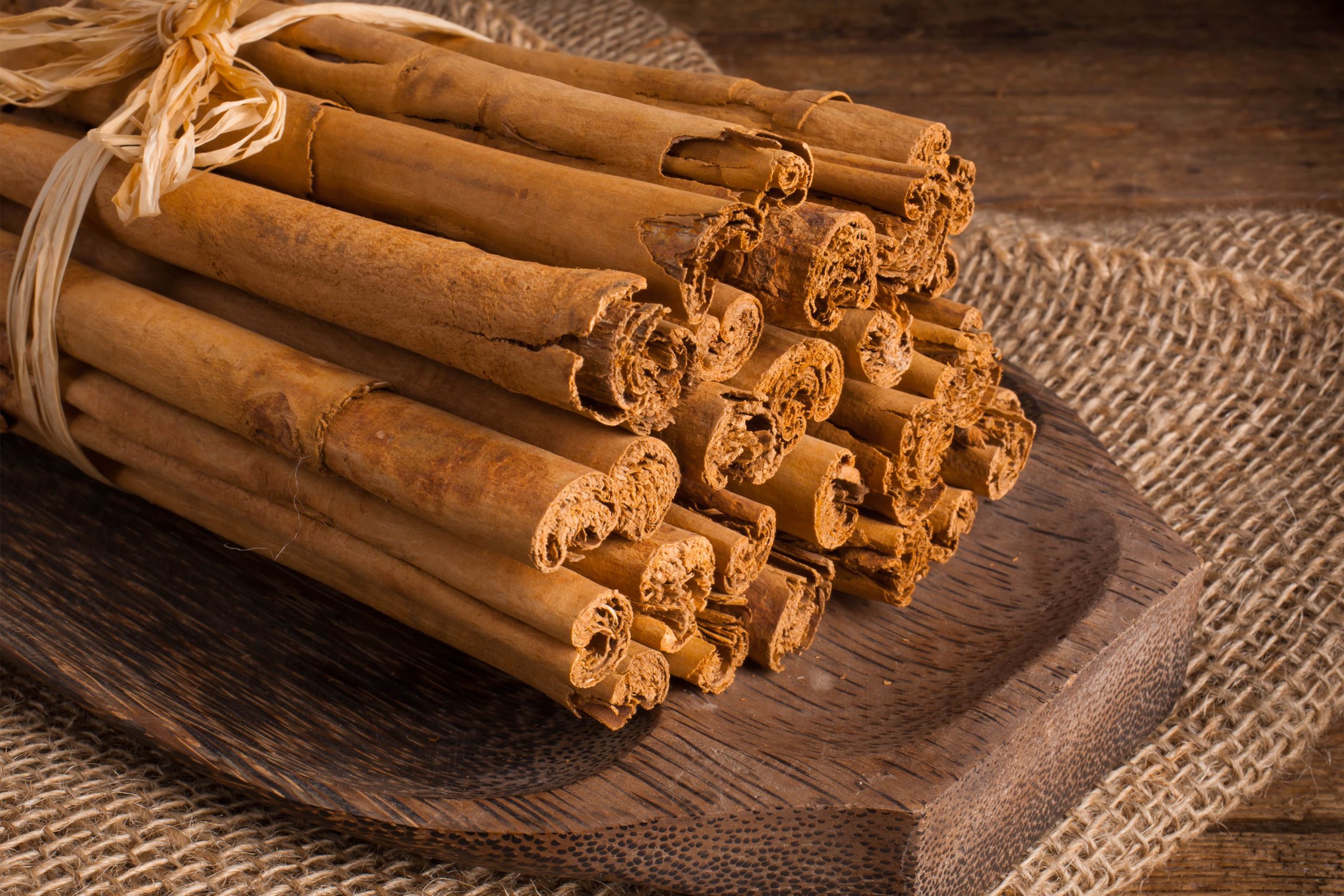
Ceylon Cinnamon
- Thin, multiple soft layers
- Light brown or golden color
- Fragile, breaks easily
- Rolls look like “cigar layers”
Cassia Cinnamon
- Thick, hard bark
- Dark reddish-brown
- One solid, thick roll
- Much tougher and more rigid
Buyers can easily identify Ceylon Cinnamon by its delicate, layered texture.
3. Flavor & Aroma Profile
Ceylon Cinnamon
- Mild, sweet, and subtle
- Complex aroma with citrus and floral notes
- Ideal for desserts, premium teas, and gourmet dishes
Cassia Cinnamon
- Strong, spicy, and intense
- More pungent flavor
- Used widely in processed foods and commercial baking
Chefs and premium food brands prefer Ceylon Cinnamon for its elegant and refined taste.
4. Health Benefits & Safety Levels
This is where the difference becomes crucial.
Ceylon Cinnamon – Safe for Daily Use
- Extremely low in coumarin, a natural compound
- Safe for regular consumption
- Known for antioxidants, anti-inflammatory properties, and blood sugar support
Cassia Cinnamon – High in Coumarin
- Contains 1,200x more coumarin than Ceylon
- Can be harmful to the liver if consumed in large amounts
- Recommended only in small, occasional quantities
For health-conscious consumers, Ceylon Cinnamon is the safest and most beneficial option.
5. Price & Market Value
Ceylon Cinnamon is more expensive due to:
- Labor-intensive harvesting
- Limited global production (Sri Lanka produces 90% of the world’s supply)
- Higher quality and purity
- Superior aroma and flavor
Cassia Cinnamon is cheaper, mass-produced, and widely available—making it the common choice for low-cost markets.
6. Uses in Culinary & Industrial Applications
Ceylon Cinnamon
- Gourmet cuisine
- Herbal teas & beverages
- Premium health supplements
- Baking and confectionery
- Aromatherapy and cosmetics
Cassia Cinnamon
- Processed foods
- Commercial baking
- Mass-market spice blends
- Budget retail markets
Industries focused on quality and health always choose Ceylon Cinnamon.
Conclusion: Choosing the Right Cinnamon Matters
When it comes to flavor, safety, and purity, Ceylon Cinnamon is unquestionably the superior choice. Its gentle aroma, layered texture, minimal coumarin content, and rich history make it the world’s most sought-after cinnamon—especially among chefs, exporters, and health-conscious consumers.
At Tropical Essence Global, we proudly export 100% pure, ethically sourced Ceylon Cinnamon straight from Sri Lanka’s finest plantations. With strict quality control and sustainable practices, we ensure every batch meets global premium standards.
Choose authenticity. Choose Ceylon. Choose Tropical Essence Global.